This article is a submission by Managed Services Partners. Managed Services Partners is an outsourcing firm with over six years of experience assisting services enhance operations and drive development.
Starting the contracting out journey is an endeavor that many organizations undertake to enhance efficiencies, decrease expenses, and utilize specialized skill.
However, alongside these prospective advantages come a host of legal and compliance intricacies that need to be carefully browsed to ensure the success and sustainability of outsourcing initiatives.
This extensive guide will check out key legal and compliance factors to consider, with a focus on data personal privacy laws, non-disclosure agreements (NDAs), non-compete provisions, and the critical role of versatility in today's dynamic business environment.
The contracting out landscape
Outsourcing is more than a method for offloading non-core jobs; it is a transformative approach that can improve a business's versatility and competitiveness.
Whether it's IT services, client support, manufacturing processes, or personnels, contracting out can use a significant edge. Companies that effectively outsource can focus on core organization operations, drive innovation, and access leading talent without the overhead expenses of full-time work.
However, this journey is not without its legal and compliance challenges. Companies must be mindful of the complexities surrounding the transfer and management of data, the defense of copyright (IP), and the upkeep of regulatory compliance.
Given the worldwide nature of outsourcing, services must also think about cross-border legal ramifications, which may vary considerably depending on the country where the outsourcing provider runs.
Understanding these elements is vital in making sure that outsourcing partnerships align with a business's tactical goals while mitigating prospective legal dangers.
Oftentimes, organizations that neglect legal and compliance considerations deal with expensive conflicts, loss of sensitive information, or reputational damage that can take years to recover from.
Importance of legal considerations
Outsourcing naturally involves legal considerations that are important to protecting a business's interests. At the leading edge is the need to secure delicate details. Companies need to understand and stick to information privacy laws that govern the jurisdictions in which they run.
This is especially critical as data breaches can lead to serious punitive damages and reputational damage.
Furthermore, intellectual residential or commercial property rights must be plainly specified in contracting out agreements to prevent unauthorized use or misappropriation of exclusive properties. If these rights are not properly developed, an organization may lose control over vital innovations or private business procedures.
For businesses running in highly controlled markets such as health care, financing, or legal services, compliance requirements are even more strict.
Sticking to guidelines such as the General Data Protection Regulation (GDPR) in Europe or the Medical Insurance Portability and Accountability Act (HIPAA) in the United States is important to avoiding legal complications.
Non-Disclosure Agreements (NDAs) and non-compete clauses
When outsourcing, business regularly share proprietary information with external company.
To protect this important details, NDAs are utilized. These agreements are designed to prevent the unapproved dissemination of private information, therefore securing the business's competitive benefit.
NDAs must be detailed and legally binding, plainly describing what constitutes private details and the responsibilities of both parties in managing sensitive information. Businesses ought to also make sure that their NDAs consist of provisions for legal option in case of breaches.
Similarly, non-compete clauses can be consisted of to prevent service suppliers from making use of sensitive knowledge gotten throughout the contracting out partnership to benefit a rival. This is particularly essential when contracting out freelancers or companies that may have several clients in the very same industry.
However, the enforceability of non-compete clauses can differ considerably depending on the jurisdiction. Some areas have strict policies limiting the scope and period of such clauses.
Therefore, it's vital for companies to seek advice from legal experts with experience in the appropriate legal frameworks to prepare reliable arrangements.
Contracts: Setting the foundation
Contracts function as the blueprint for the outsourcing partnership, specifying functions, obligations, deliverables, and timelines. They also describe the legal and compliance expectations for both celebrations.
A well-structured agreement ought to attend to several crucial elements:
Scope of work: Clear and in-depth descriptions of the services to be supplied, consisting of quality standards and efficiency metrics.
Data security: Specific provisions connected to information protection, data transfer procedures, and breach notice protocols to ensure adherence to personal privacy laws.
Copyright rights: Provisions that establish ownership of IP produced during the collaboration, and terms that protect pre-existing IP.
Termination stipulations: Terms that attend to the possible end of the outsourcing relationship, including notification periods and conditions under which termination can occur without charge.
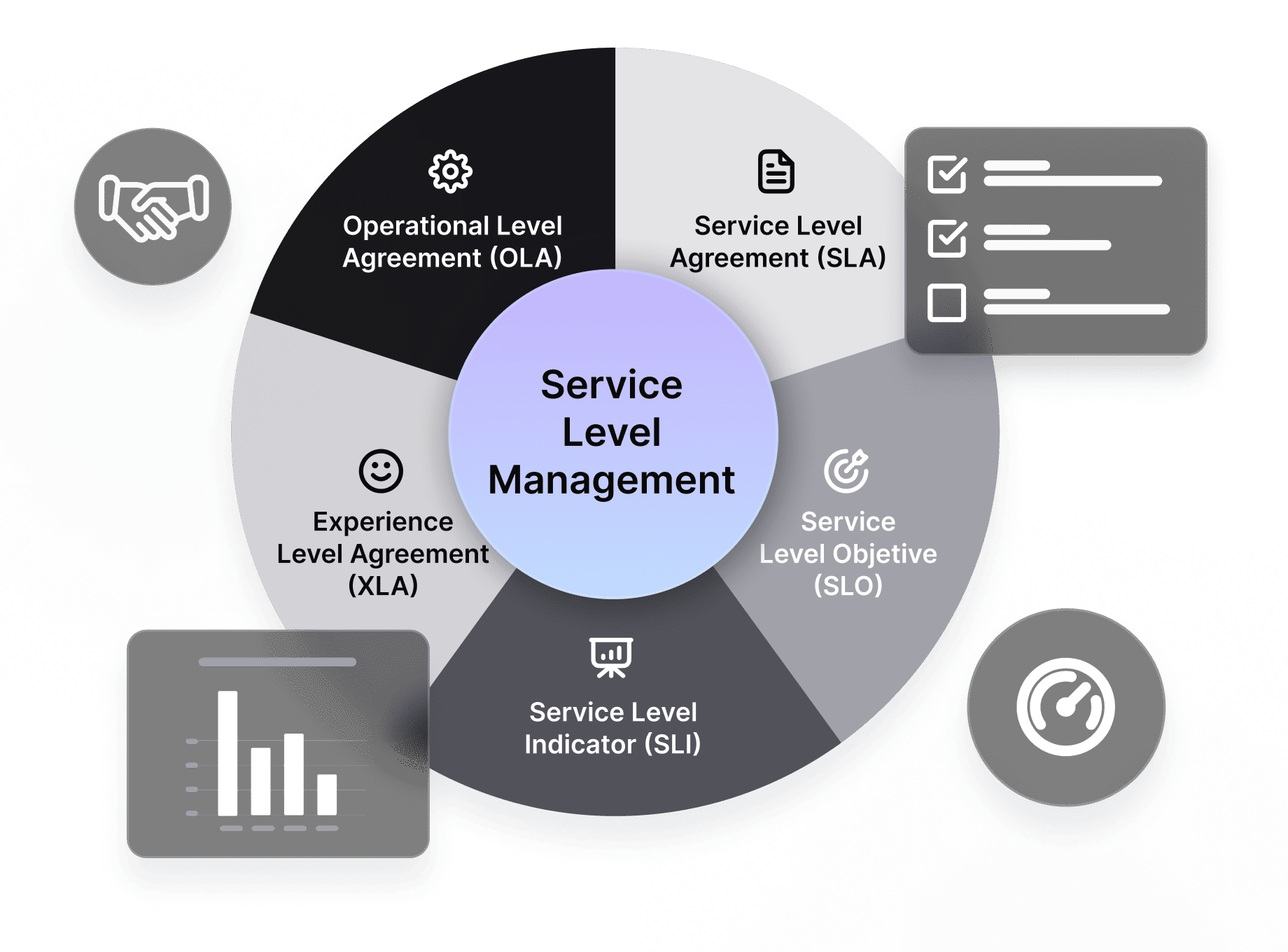
Additionally, companies need to think about implementing service-level arrangements (SLAs) to ensure responsibility and efficiency tracking. SLAs define measurable criteria that the outsourcing service provider need to meet, supplying businesses with option if expectations are not satisfied.
Engaging with provider
Consulting with potential provider throughout the early stages of the contracting out journey is a strategic relocation. This engagement enables companies to gauge the provider's ability to satisfy legal and compliance requirements.

Thorough vetting procedures, such as asking for recommendations, reviewing previous jobs, and evaluating compliance certifications, can supply important insights into the provider's dependability and adherence to industry standards.
Businesses need to also examine the monetary stability of potential contracting out partners.
A provider that faces financial difficulties may not be able to maintain operations long-term, posturing a threat to continuous projects. Conducting due diligence beforehand can avoid future disruptions.
The function of flexibility in legal and compliance techniques
Adaptability is a critical element of effective outsourcing, especially when it pertains to navigating evolving legal landscapes. Regulations and market conditions can alter quickly, making it essential for business to remain nimble.
Building versatility into agreements and establishing procedures for ongoing compliance monitoring can assist services adjust to brand-new legal requirements and keep an one-upmanship.
For instance, if a business is contracting out customer assistance operations to numerous countries, they should guarantee compliance with various national laws concerning consumer security and data personal privacy.
Regularly upgrading policies and contracts in response to legal modifications can avoid legal mistakes.
Real-world factors to consider and finest practices
To make sure legal and compliance success in outsourcing, organizations need to adopt the following best practices:
Regular audits and assessments
Conduct routine audits and evaluations to make sure that service suppliers stay compliant with legal and regulative requirements. This proactive technique can assist identify possible spaces before they escalate into considerable issues.
Training and awareness
Educate staff members and outsourced teams on information defense practices and legal responsibilities. This makes sure that everyone associated with the contracting out journey comprehends the importance of compliance and the function they play in safeguarding information.
Collaboration and interaction

Foster a collaborative relationship with company. Open lines of communication can help resolve compliance issues quickly and help with joint analytical efforts.
Crisis management preparation
Have contingency plans in place in case of security breaches, contract conflicts, or supplier failures. A well-structured crisis management plan guarantees that organizations can rapidly react to obstacles without substantial interruptions.
Legal compliance for outsourcing success
Understanding the legal and compliance aspects of outsourcing is essential for companies looking to utilize external capabilities while safeguarding their interests. By concentrating on essential areas such as information privacy, NDAs, non-compete stipulations, copyright rights, and versatility, companies can efficiently navigate the outsourcing landscape.
Successful contracting out depend upon a collective technique between the business and its company. Building trust and maintaining transparent communication can cause effective problem-solving and a shared dedication to compliance.