Among the organized chaos of medical professionals in Birmingham, a young man named James Stokes navigates his daily responsibilities with subtle confidence. His smart shoes whisper against the floor as he exchanges pleasantries with colleagues—some by name, others with the familiar currency of a "good morning."
James wears his NHS lanyard not merely as institutional identification but as a testament of acceptance. It rests against a neatly presented outfit that gives no indication of the difficult path that brought him here.

What separates James from many of his colleagues is not visible on the surface. His presence gives away nothing of the fact that he was among the first beneficiaries of the NHS Universal Family Programme—an undertaking created purposefully for young people who have been through the care system.
"I found genuine support within the NHS structure," James explains, his voice steady but carrying undertones of feeling. His observation encapsulates the core of a programme that seeks to reinvent how the enormous healthcare system perceives care leavers—those often overlooked young people aged 16-25 who have transitioned from the care system.
The numbers tell a troubling story. Care leavers often face higher rates of mental health issues, financial instability, accommodation difficulties, and diminished educational achievements compared to their peers. Underlying these cold statistics are human stories of young people who have maneuvered through a system that, despite good efforts, frequently fails in offering the stable base that forms most young lives.
The NHS Universal Family Programme, launched in January 2023 following NHS England's promise to the Care Leaver Covenant, embodies a substantial transformation in institutional thinking. At its core, it recognizes that the entire state and civil society should function as a "collective parent" for those who haven't experienced the security of a conventional home.
A select group of healthcare regions across England have charted the course, developing frameworks that reconceptualize how the NHS—one of Europe's largest employers—can extend opportunities to care leavers.
The Programme is meticulous in its approach, starting from detailed evaluations of existing policies, establishing governance structures, and securing senior buy-in. It acknowledges that successful integration requires more than noble aims—it demands practical measures.
In NHS Birmingham and Solihull ICB, where James began his journey, they've created a reliable information exchange with representatives who can deliver support, advice, and guidance on wellbeing, HR matters, recruitment, and EDI initiatives.
The conventional NHS recruitment process—formal and possibly overwhelming—has been carefully modified. Job advertisements now focus on character attributes rather than extensive qualifications. Applications have been redesigned to address the specific obstacles care leavers might experience—from lacking professional references to having limited internet access.
Maybe most importantly, the Programme acknowledges that beginning employment can pose particular problems for care leavers who may be navigating autonomy without the support of familial aid. Issues like commuting fees, personal documentation, and financial services—taken for granted by many—can become major obstacles.
The beauty of the Programme lies in its attention to detail—from explaining payslip deductions to providing transportation assistance until that essential first payday. Even ostensibly trivial elements like rest periods and professional behavior are carefully explained.
For James, whose NHS journey has "revolutionized" his life, the Programme delivered more than a job. It offered him a sense of belonging—that ineffable quality that grows when someone feels valued not despite their history but because their particular journey enhances the institution.
"Working for the NHS isn't just about doctors and nurses," James notes, his gaze showing the quiet pride of someone who has found his place. "It's about a community of different jobs and roles, a team of people who really connect."
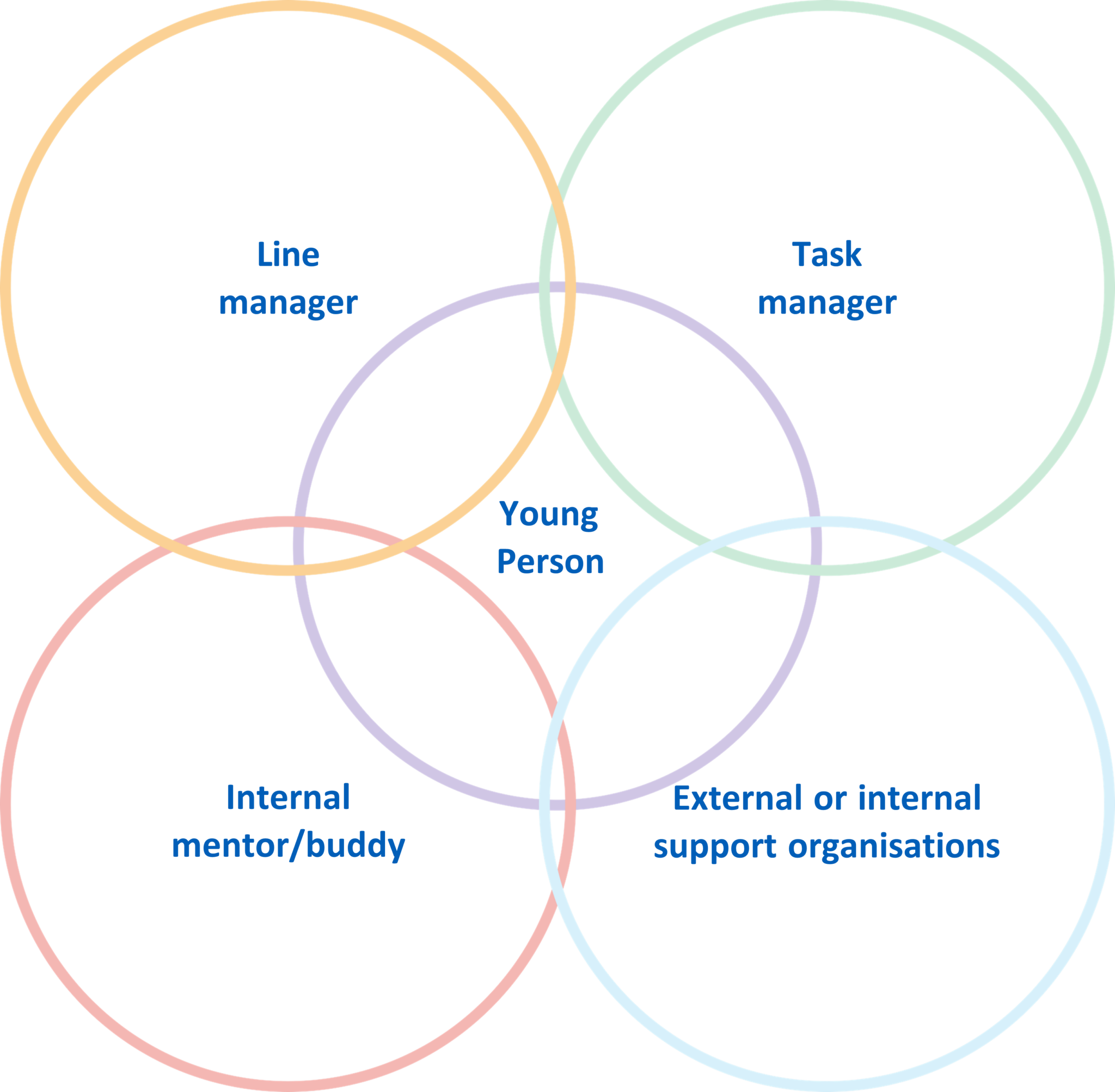
The NHS Universal Family Programme embodies more than an work program. It exists as a powerful statement that institutions can change to welcome those who have navigated different paths. In doing so, they not only alter individual futures but improve their services through the distinct viewpoints that care leavers bring to the table.
As James walks the corridors, his participation quietly demonstrates that with the right support, care leavers can thrive in environments once deemed unattainable. The embrace that the NHS has extended through this Programme signifies not charity but appreciation of hidden abilities and the fundamental reality that all people merit a community that champions their success.