

Within the bustling halls of an NHS hospital in Birmingham, a young man named James Stokes moves with quiet purpose. His smart shoes move with deliberate precision as he greets colleagues—some by name, others with the comfortable currency of a "hello there."
James displays his credentials not merely as institutional identification but as a symbol of inclusion. It hangs against a neatly presented outfit that gives no indication of the challenging road that brought him here.

What separates James from many of his colleagues is not obvious to the casual observer. His presence reveals nothing of the fact that he was among the first beneficiaries of the NHS Universal Family Programme—an undertaking created purposefully for young people who have experienced life in local authority care.
"It felt like the NHS was putting its arm around me," James reflects, his voice controlled but carrying undertones of feeling. His observation summarizes the core of a programme that strives to transform how the enormous healthcare system perceives care leavers—those frequently marginalized young people aged 16-25 who have emerged from the care system.
The numbers tell a troubling story. Care leavers often face poorer mental health outcomes, financial instability, housing precarity, and diminished educational achievements compared to their peers. Behind these cold statistics are personal narratives of young people who have navigated a system that, despite good efforts, often falls short in providing the supportive foundation that shapes most young lives.
The NHS Universal Family Programme, initiated in January 2023 following NHS England's promise to the Care Leaver Covenant, signifies a substantial transformation in systemic approach. At its heart, it acknowledges that the entire state and civil society should function as a "universal family" for those who have missed out on the security of a typical domestic environment.
Ten pioneering healthcare collectives across England have charted the course, developing frameworks that reimagine how the NHS—one of Europe's largest employers—can extend opportunities to care leavers.
The Programme is thorough in its methodology, initiating with detailed evaluations of existing practices, creating management frameworks, and securing senior buy-in. It understands that successful integration requires more than noble aims—it demands tangible actions.
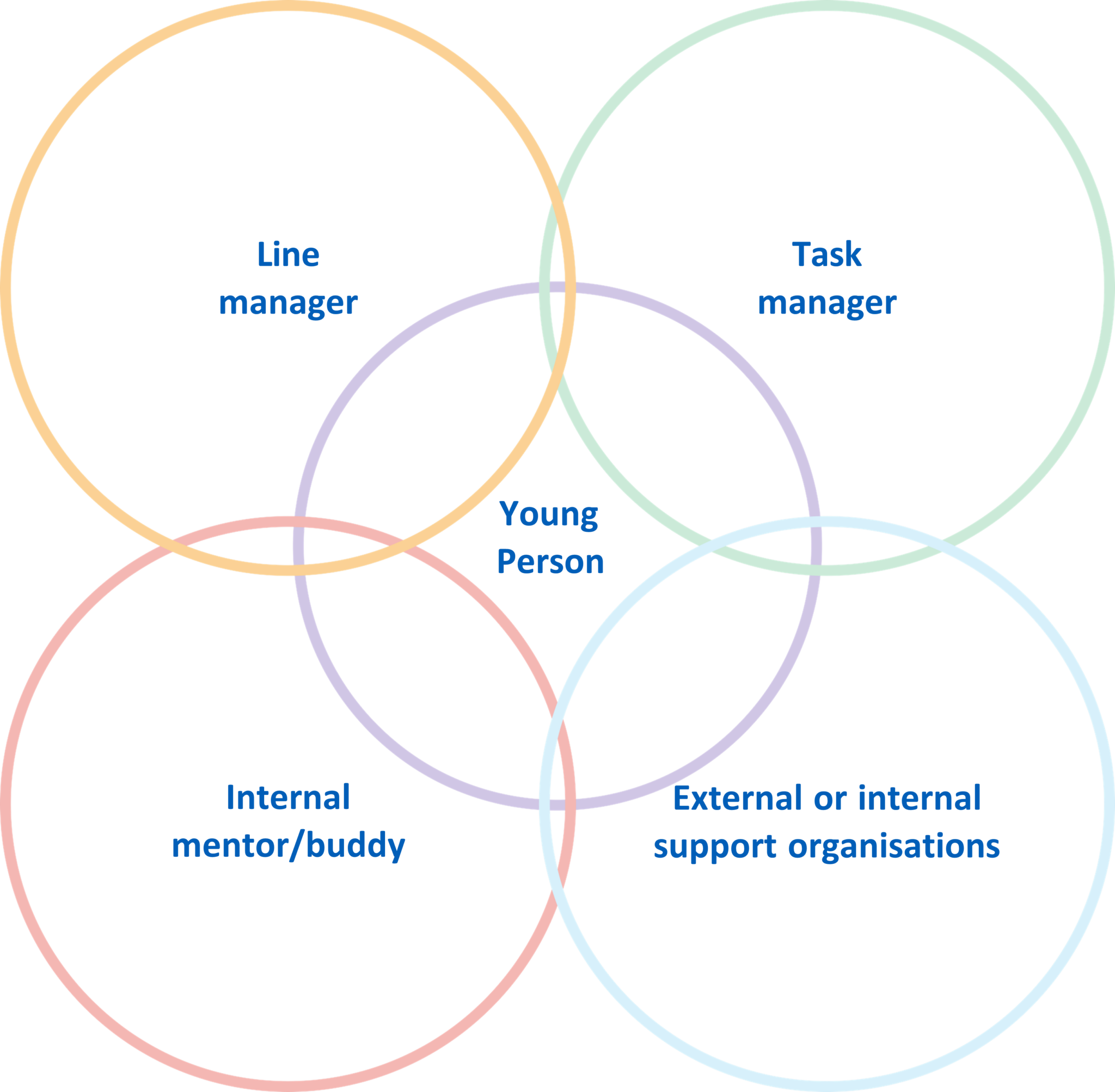
In NHS Birmingham and Solihull ICB, where James started his career, they've created a regular internal communication network with representatives who can deliver assistance and counsel on mental health, HR matters, recruitment, and EDI initiatives.
The conventional NHS recruitment process—rigid and potentially intimidating—has been intentionally adjusted. Job advertisements now focus on attitudinal traits rather than numerous requirements. Application procedures have been reimagined to consider the unique challenges care leavers might experience—from lacking professional references to facing barriers to internet access.
Maybe most importantly, the Programme acknowledges that beginning employment can present unique challenges for care leavers who may be navigating autonomy without the safety net of parental assistance. Matters like transportation costs, personal documentation, and financial services—taken for granted by many—can become significant barriers.
The brilliance of the Programme lies in its attention to detail—from clarifying salary details to helping with commuting costs until that critical first salary payment. Even apparently small matters like rest periods and workplace conduct are deliberately addressed.
For James, whose NHS journey has "changed" his life, the Programme offered more than a job. It offered him a feeling of connection—that intangible quality that grows when someone is appreciated not despite their background but because their distinct perspective enriches the workplace.
"Working for the NHS isn't just about doctors and nurses," James comments, his gaze showing the modest fulfillment of someone who has found his place. "It's about a community of different jobs and roles, a family of people who truly matter."
The NHS Universal Family Programme represents more than an employment initiative. It exists as a powerful statement that institutions can change to welcome those who have navigated different paths. In doing so, they not only change personal trajectories but enhance their operations through the unique perspectives that care leavers provide.
As James moves through the hospital, his presence silently testifies that with the right help, care leavers can thrive in environments once deemed unattainable. The embrace that the NHS has offered through this Programme represents not charity but acknowledgment of hidden abilities and the fundamental reality that everyone deserves a support system that champions their success.