


Within the bustling halls of an NHS hospital in Birmingham, a young man named James Stokes moves with quiet purpose. His polished footwear whisper against the floor as he exchanges pleasantries with colleagues—some by name, others with the familiar currency of a "good morning."
James wears his NHS lanyard not merely as an employee badge but as a declaration of inclusion. It sits against a neatly presented outfit that offers no clue of the challenging road that preceded his arrival.
What separates James from many of his colleagues is not obvious to the casual observer. His bearing discloses nothing of the fact that he was among the first recruits of the NHS Universal Family Programme—an initiative created purposefully for young people who have experienced life in local authority care.
"It felt like the NHS was putting its arm around me," James explains, his voice steady but revealing subtle passion. His statement summarizes the core of a programme that aims to revolutionize how the massive healthcare system approaches care leavers—those frequently marginalized young people aged 16-25 who have emerged from the care system.
The figures tell a troubling story. Care leavers commonly experience poorer mental health outcomes, money troubles, housing precarity, and reduced scholarly attainment compared to their peers. Underlying these cold statistics are personal narratives of young people who have navigated a system that, despite best intentions, often falls short in providing the stable base that shapes most young lives.
The NHS Universal Family Programme, established in January 2023 following NHS England's pledge to the Care Leaver Covenant, represents a profound shift in institutional thinking. At its core, it accepts that the complete state and civil society should function as a "universal family" for those who have missed out on the constancy of a traditional family setting.
Ten pioneering healthcare collectives across England have charted the course, establishing frameworks that reconceptualize how the NHS—one of Europe's largest employers—can create pathways to care leavers.
The Programme is detailed in its approach, beginning with detailed evaluations of existing procedures, creating governance structures, and securing leadership support. It recognizes that effective inclusion requires more than good intentions—it demands practical measures.
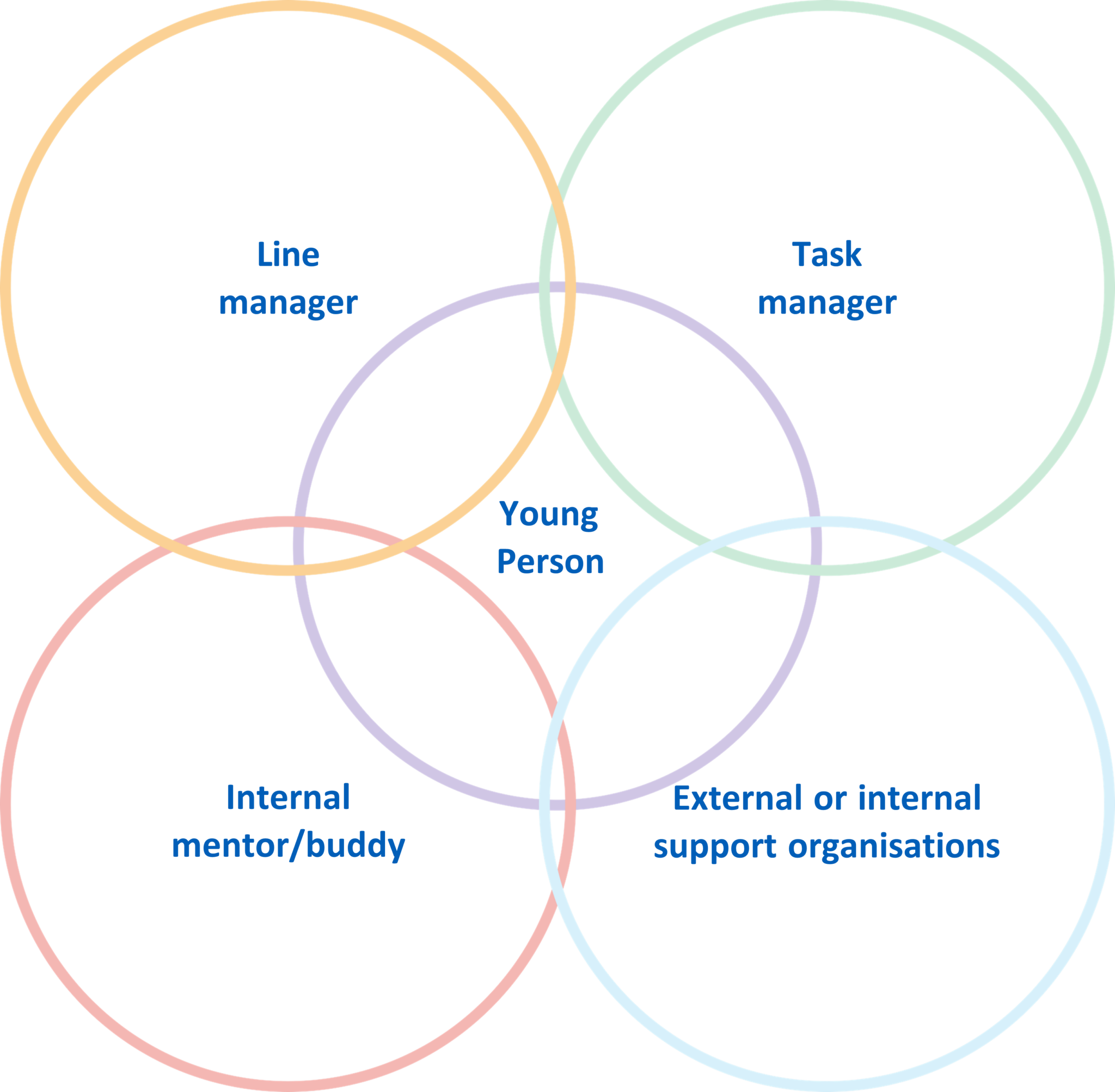
In NHS Birmingham and Solihull ICB, where James found his footing, they've created a regular internal communication network with representatives who can offer assistance and counsel on mental health, HR matters, recruitment, and EDI initiatives.
The standard NHS recruitment process—formal and often daunting—has been intentionally adjusted. Job advertisements now focus on character attributes rather than extensive qualifications. Application procedures have been reimagined to accommodate the particular difficulties care leavers might face—from lacking professional references to struggling with internet access.
Perhaps most significantly, the Programme understands that beginning employment can present unique challenges for care leavers who may be handling self-sufficiency without the support of familial aid. Matters like commuting fees, identification documents, and banking arrangements—assumed basic by many—can become substantial hurdles.
The brilliance of the Programme lies in its attention to detail—from outlining compensation information to offering travel loans until that crucial first wage disbursement. Even apparently small matters like break times and workplace conduct are carefully explained.
For James, whose career trajectory has "revolutionized" his life, the Programme offered more than work. It provided him a perception of inclusion—that elusive quality that grows when someone is appreciated not despite their past but because their distinct perspective enhances the organization.
"Working for the NHS isn't just about doctors and nurses," James comments, his eyes reflecting the quiet pride of someone who has discovered belonging. "It's about a community of different jobs and roles, a group of people who truly matter."
The NHS Universal Family Programme exemplifies more than an job scheme. It stands as a powerful statement that organizations can evolve to embrace those who have navigated different paths. In doing so, they not only change personal trajectories but enrich themselves through the special insights that care leavers contribute.
As James navigates his workplace, his participation subtly proves that with the right assistance, care leavers can succeed in environments once thought inaccessible. The embrace that the NHS has provided through this Programme represents not charity but appreciation of overlooked talent and the profound truth that everyone deserves a community that champions their success.