
In the sterile corridors of Birmingham Women's and Children's NHS Foundation Trust, a young man named James Stokes carries himself with the measured poise of someone who has found his place. His oxford shoes move with deliberate precision as he greets colleagues—some by name, others with the familiar currency of a "good morning."
James displays his credentials not merely as institutional identification but as a symbol of inclusion. It rests against a pressed shirt that offers no clue of the difficult path that brought him here.
What separates James from many of his colleagues is not immediately apparent. His demeanor gives away nothing of the fact that he was among the first recruits of the NHS Universal Family Programme—an undertaking designed specifically for young people who have spent time in care.
"I found genuine support within the NHS structure," James says, his voice controlled but revealing subtle passion. His statement summarizes the core of a programme that seeks to revolutionize how the massive healthcare system approaches care leavers—those vulnerable young people aged 16-25 who have transitioned from the care system.
The numbers tell a troubling story. Care leavers commonly experience greater psychological challenges, money troubles, shelter insecurities, and lower academic success compared to their peers. Underlying these cold statistics are human stories of young people who have traversed a system that, despite good efforts, regularly misses the mark in offering the stable base that forms most young lives.
The NHS Universal Family Programme, established in January 2023 following NHS England's commitment to the Care Leaver Covenant, embodies a substantial transformation in organizational perspective. At its heart, it recognizes that the whole state and civil society should function as a "communal support system" for those who haven't known the security of a typical domestic environment.
Ten pathfinder integrated care boards across England have led the way, establishing structures that reconceptualize how the NHS—one of Europe's largest employers—can create pathways to care leavers.
The Programme is detailed in its strategy, initiating with comprehensive audits of existing procedures, establishing oversight mechanisms, and obtaining executive backing. It recognizes that meaningful participation requires more than lofty goals—it demands tangible actions.
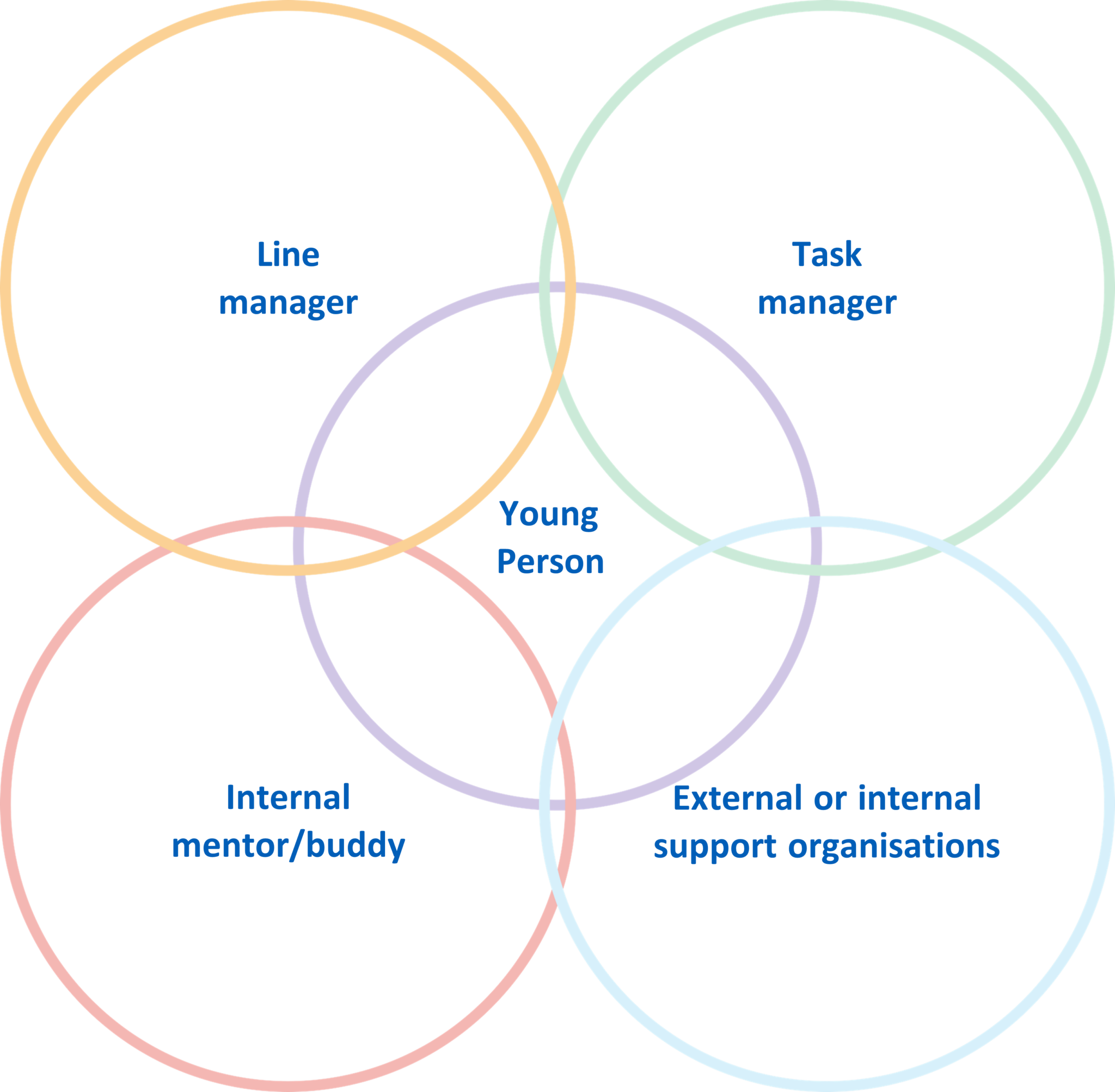
In NHS Birmingham and Solihull ICB, where James began his journey, they've created a regular internal communication network with representatives who can provide support, advice, and guidance on wellbeing, HR matters, recruitment, and EDI initiatives.
The standard NHS recruitment process—rigid and potentially intimidating—has been thoughtfully adapted. Job advertisements now highlight personal qualities rather than numerous requirements. Applications have been reconsidered to accommodate the particular difficulties care leavers might face—from missing employment history to having limited internet access.
Perhaps most significantly, the Programme acknowledges that beginning employment can pose particular problems for care leavers who may be handling self-sufficiency without the backup of parental assistance. Issues like travel expenses, personal documentation, and banking arrangements—taken for granted by many—can become significant barriers.
The elegance of the Programme lies in its thorough planning—from clarifying salary details to helping with commuting costs until that essential first payday. Even apparently small matters like break times and professional behavior are deliberately addressed.
For James, whose NHS journey has "changed" his life, the Programme provided more than a job. It gave him a sense of belonging—that elusive quality that grows when someone is appreciated not despite their history but because their particular journey enriches the workplace.
"Working for the NHS isn't just about doctors and nurses," James notes, his eyes reflecting the quiet pride of someone who has discovered belonging. "It's about a family of different jobs and roles, a family of people who truly matter."
The NHS Universal Family Programme exemplifies more than an employment initiative. It functions as a bold declaration that organizations can change to welcome those who have known different challenges. In doing so, they not only transform individual lives but enhance their operations through the unique perspectives that care leavers bring to the table.
As James walks the corridors, his presence silently testifies that with the right support, care leavers can succeed in environments once thought inaccessible. The arm that the NHS has extended through this Programme signifies not charity but acknowledgment of untapped potential and the essential fact that everyone deserves a support system that champions their success.