

Within the bustling halls of an NHS hospital in Birmingham, a young man named James Stokes carries himself with the measured poise of someone who has found his place. His oxford shoes whisper against the floor as he acknowledges colleagues—some by name, others with the comfortable currency of a "good morning."
James wears his NHS lanyard not merely as a security requirement but as a declaration of acceptance. It hangs against a well-maintained uniform that betrays nothing of the challenging road that preceded his arrival.
What separates James from many of his colleagues is not obvious to the casual observer. His demeanor reveals nothing of the fact that he was among the first participants of the NHS Universal Family Programme—an undertaking crafted intentionally for young people who have been through the care system.
"It felt like the NHS was putting its arm around me," James reflects, his voice steady but carrying undertones of feeling. His statement encapsulates the core of a programme that strives to revolutionize how the vast healthcare system views care leavers—those frequently marginalized young people aged 16-25 who have transitioned from the care system.
The numbers paint a stark picture. Care leavers frequently encounter poorer mental health outcomes, economic uncertainty, housing precarity, and lower academic success compared to their contemporaries. Underlying these cold statistics are personal narratives of young people who have traversed a system that, despite best intentions, regularly misses the mark in offering the stable base that forms most young lives.
The NHS Universal Family Programme, launched in January 2023 following NHS England's promise to the Care Leaver Covenant, represents a significant change in organizational perspective. At its heart, it recognizes that the whole state and civil society should function as a "universal family" for those who haven't experienced the stability of a typical domestic environment.
Ten pathfinder integrated care boards across England have led the way, creating structures that reconceptualize how the NHS—one of Europe's largest employers—can create pathways to care leavers.
The Programme is detailed in its approach, beginning with detailed evaluations of existing practices, forming governance structures, and securing senior buy-in. It acknowledges that meaningful participation requires more than lofty goals—it demands concrete steps.
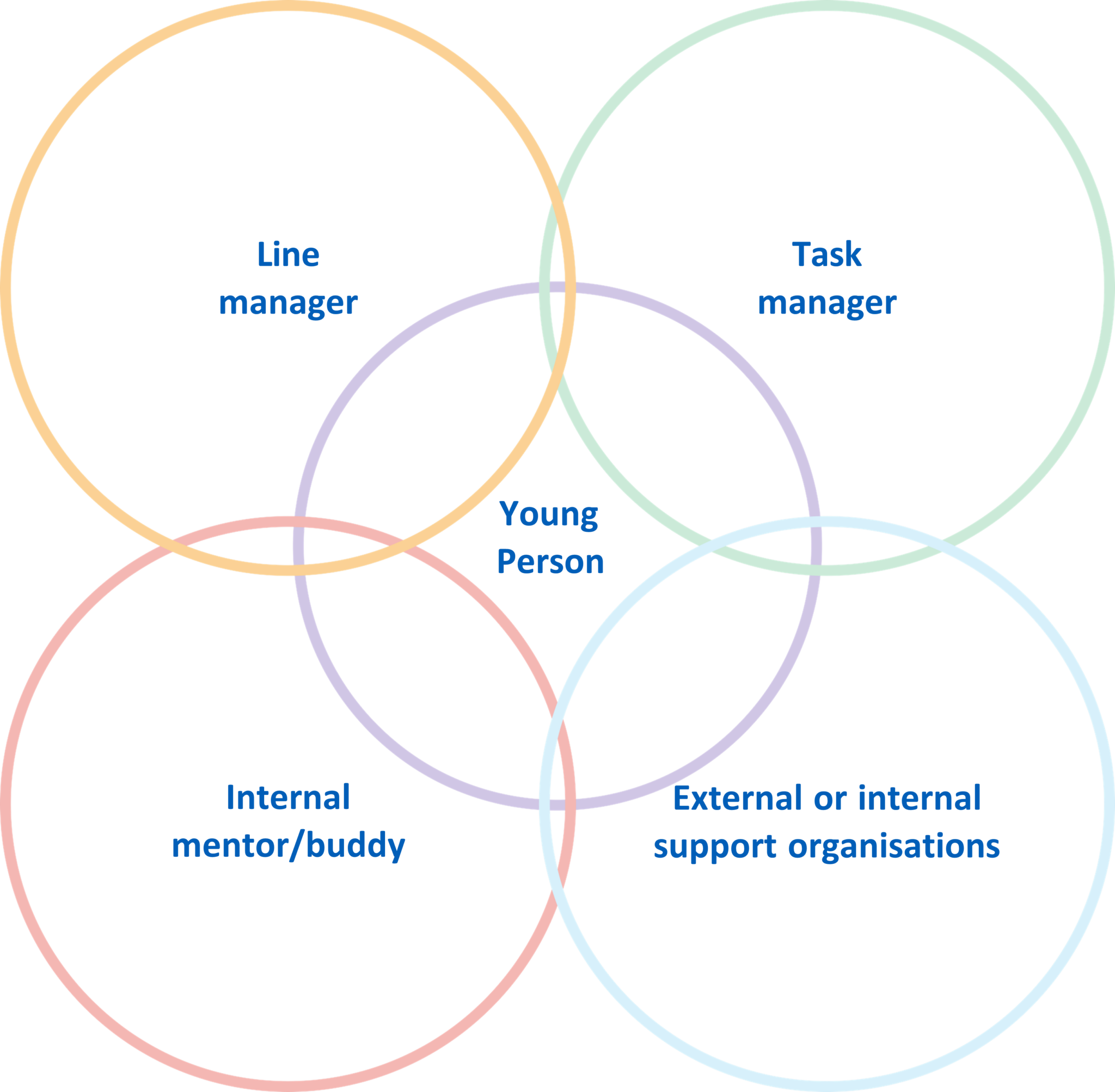
In NHS Birmingham and Solihull ICB, where James found his footing, they've created a consistent support system with representatives who can provide assistance and counsel on wellbeing, HR matters, recruitment, and equality, diversity, and inclusion.
The standard NHS recruitment process—rigid and possibly overwhelming—has been carefully modified. Job advertisements now highlight character attributes rather than long lists of credentials. Application processes have been reimagined to address the unique challenges care leavers might encounter—from missing employment history to having limited internet access.
Possibly most crucially, the Programme understands that starting a job can present unique challenges for care leavers who may be handling self-sufficiency without the backup of parental assistance. Concerns like transportation costs, identification documents, and bank accounts—assumed basic by many—can become substantial hurdles.
The brilliance of the Programme lies in its thorough planning—from clarifying salary details to offering travel loans until that crucial first salary payment. Even seemingly minor aspects like rest periods and workplace conduct are thoughtfully covered.
For James, whose NHS journey has "changed" his life, the Programme provided more than employment. It offered him a feeling of connection—that ineffable quality that develops when someone is appreciated not despite their background but because their distinct perspective enriches the organization.
"Working for the NHS isn't just about doctors and nurses," James notes, his eyes reflecting the modest fulfillment of someone who has discovered belonging. "It's about a family of different jobs and roles, a team of people who genuinely care."

The NHS Universal Family Programme embodies more than an employment initiative. It functions as a powerful statement that institutions can change to welcome those who have known different challenges. In doing so, they not only alter individual futures but improve their services through the distinct viewpoints that care leavers bring to the table.
As James walks the corridors, his presence quietly demonstrates that with the right support, care leavers can succeed in environments once considered beyond reach. The arm that the NHS has offered through this Programme represents not charity but appreciation of overlooked talent and the fundamental reality that each individual warrants a support system that champions their success.